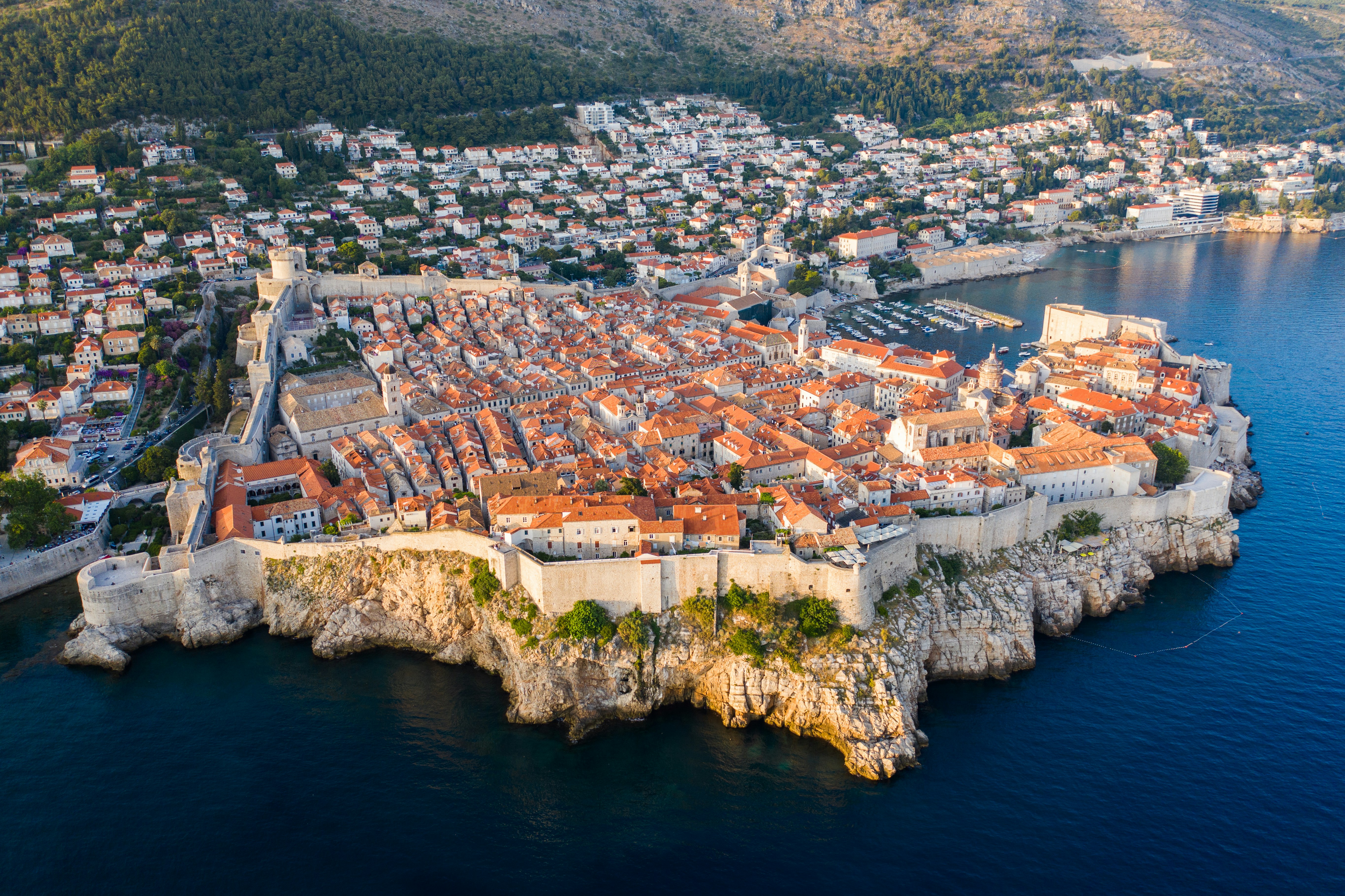
Korčula is what people imagine when they say "medieval island town": walls into the sea, a compact old town, and streets laid out by people who understood wind before anyone had a word for urban planning.
The fish-skeleton streets
The old town is laid out like a fish skeleton: streets on the west side curve to block the winter bura, streets on the east run straight to pull the summer maestral through. Locals worked that out seven centuries ago; stand at a junction at 3pm in July and feel it work. The Marco Polo tower is a five-minute climb and the best orientation you'll get.
Grk & Pošip
Korčula grows white wines that barely leave the island: Pošip from the inland villages and Grk from the sand around Lumbarda — a grape so stubborn it only sets fruit with another variety planted beside it. Order either by the glass anywhere inside the walls; take a bottle home from a konoba, not a souvenir shop.
The Badija swim
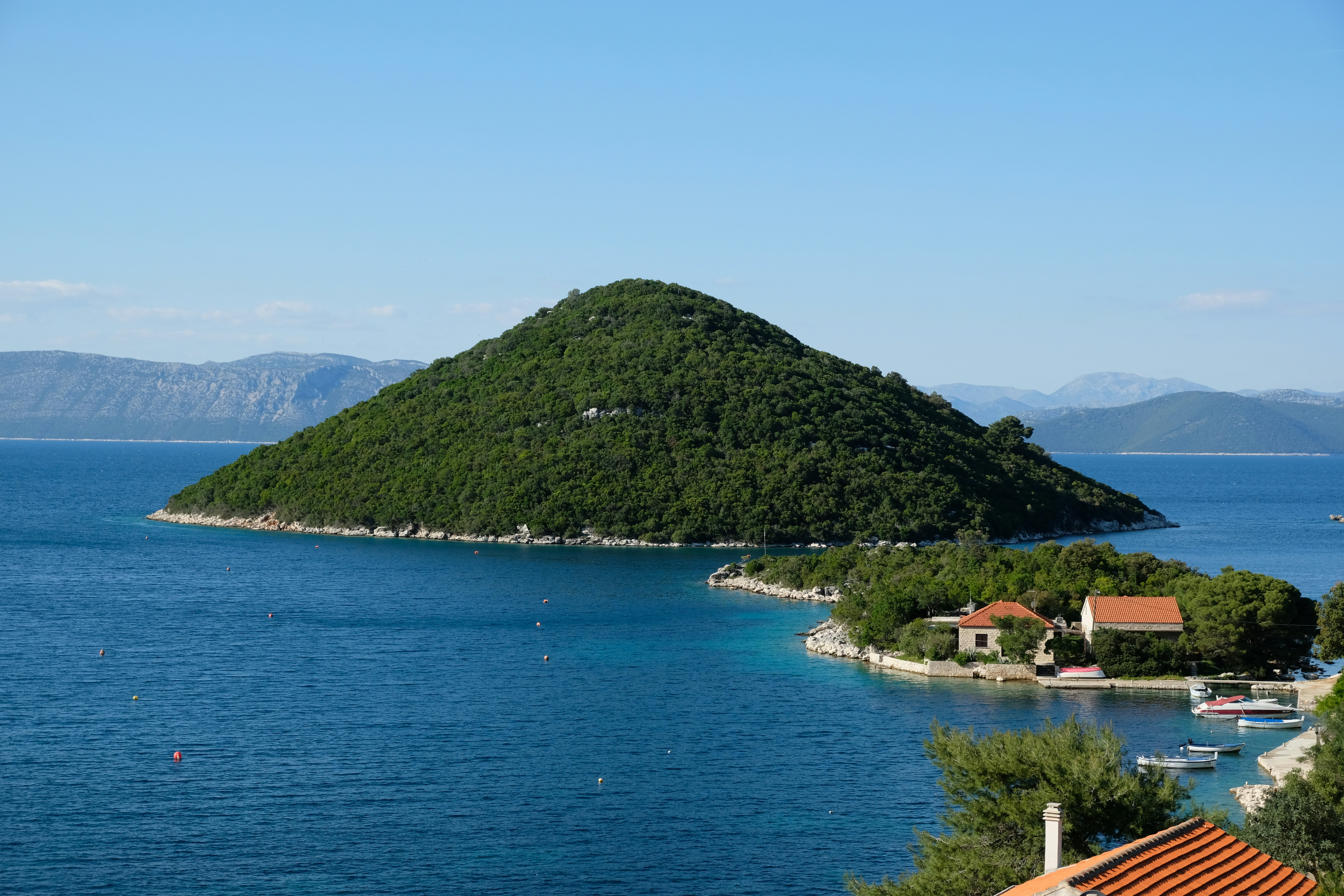
On the run home we anchor off Badija, the monastery island just outside the harbour: a 14th-century Franciscan monastery, a resident herd of very entitled deer, and clear, deep water off the stone shore. It's the swim stop that turns a long day into the day guests thank us for most.
Moreska Thursdays
Summer Thursdays, ask about Moreska — Korčula's sword dance, staged since the 1600s: two armies, real swords, a story about a stolen bride. Touristy? A little. Worth an hour? Absolutely.
Practical notes
- It's a big day on the water — twelve hours door to door. Bring a light layer for the ride home; the maestral picks up after four.
- Lunch inside the walls is better one street off the main drag, like everywhere on the Adriatic.
- Prefer wheels to waves? The same island works as a land day via the Pelješac drive and Orebić ferry.